We conducted a one-day training session for the Gdańsk School of Tourism and Hospitality Management (WSTiH) MBA program: “The 2030 Outlook for the Hospitality Industry and an Innovative Approach to Management”

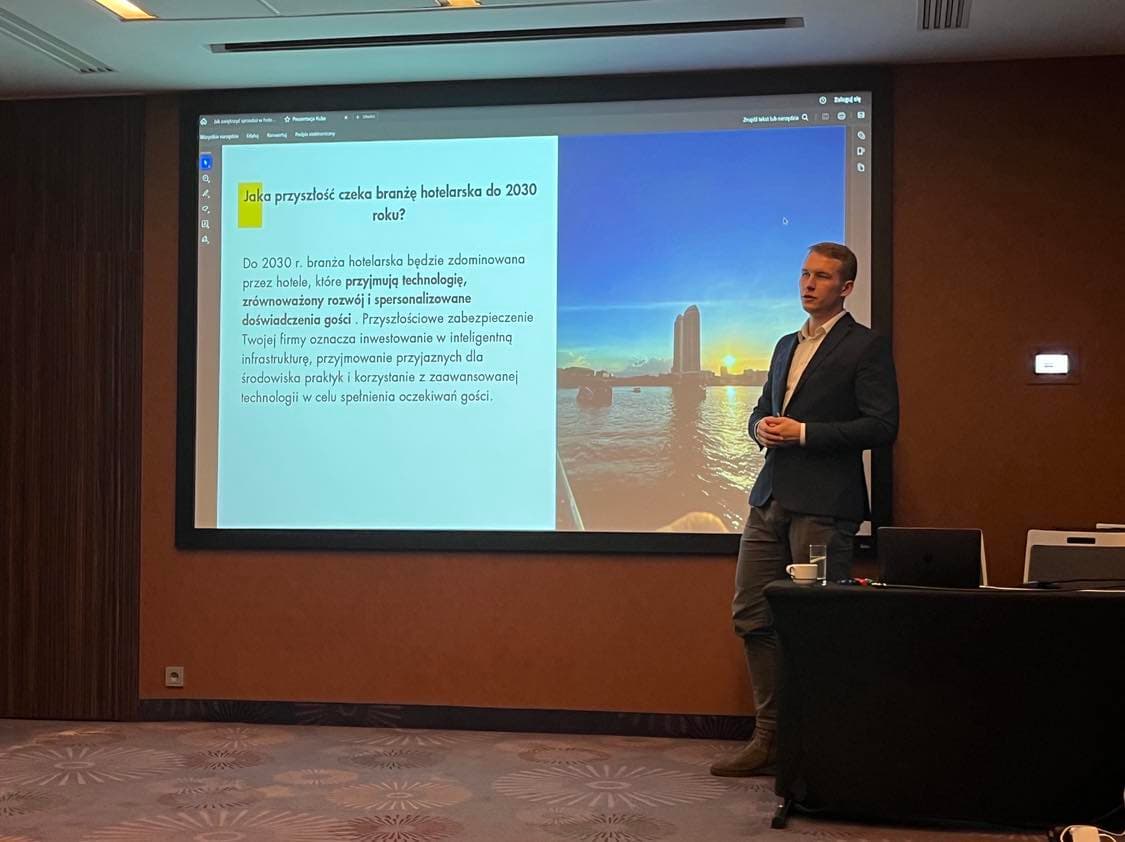
In recent weeks, we had the honor of leading classes for hotel owners and managers as part of a prestigious MBA program organized by the Gdańsk University of Tourism and Hospitality. It was a unique event that allowed us to gain an even deeper understanding of the hotel market in Poland and analyze the dynamic changes and trends shaping the industry’s future.
The Hotel Industry in Poland – A Market in Constant Growth
During the sessions, we had the opportunity to discuss upcoming market changes in detail, particularly in the context of investments in the Sobieszewo Island area. One of the most interesting facts highlighting the growing potential of northern Poland is the sale of the country’s most expensive apartment for 24,800,000 PLN this past summer. This is a clear sign of a strong investment trend in this part of the country and growing interest in the luxury real estate segment.
Professionalism and Managerial Awareness—The Key to Success
We divided our seven-hour session into three main thematic blocks, which form the foundation of effective management in the hospitality industry:
1. The manager’s mindset and psychophysical state as the foundation of success
An extremely important element of effective hotel management is the leader’s mental and physical well-being. Owners and managers must prioritize their mental well-being to make effective decisions, assess risks, and build long-term growth strategies. We discussed key techniques for managing energy and mental resilience that enable effective business growth.
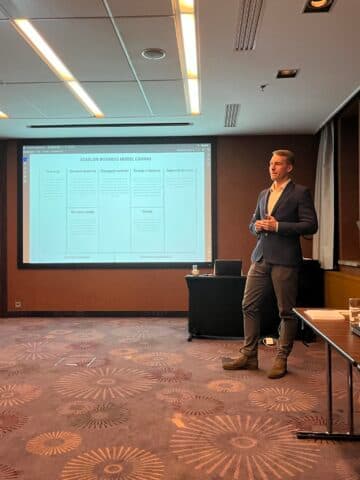
2. Digital Marketing and Conversion Optimization – 4 Key Elements
Based on 600 projects carried out by Re Bena Gesta and other entities, we presented best practices for scaling sales in the hospitality industry through digital marketing. Participants had the opportunity to analyze real-world business cases, including:
- Developing a Unique Selling Proposition (USP) for hotels to stand out from the competition.
- Creating a value proposition using the Business Model Canvas.
- Identifying conversion bottlenecks in User Experience (UX) and ways to increase booking rates.
- Analyzing the biggest barriers to hotel sales growth according to the Theory of Constraints (TOC) and using analytical tools such as Ahrefs, Senuto, and Google Trends.
3. Hospitality Trends 2024–2030 – How to Prepare for the Future?
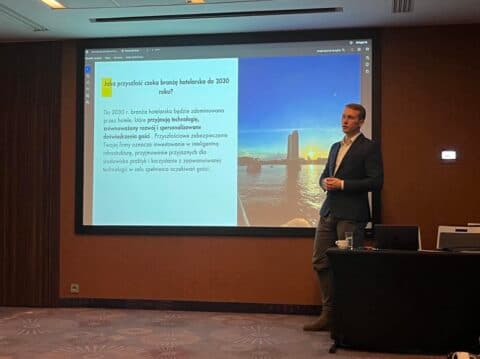
The hospitality sector is constantly evolving, so it’s crucial to forecast trends and adapt strategies. Together, we analyzed:
- Bleisure (Business & Leisure)—combining business travel with leisure as a growing trend.
- The growing importance of wellness & spa in
- hotel concepts.
- Personalizing the guest experience (Customer Experience) and creating digital interactions.
Summary – The Future of the Hospitality Industry and the Role of Innovation
Our sessions confirmed that the hospitality industry in Poland is growing at an extremely dynamic pace, and managers are increasingly turning to modern tools and technologies to boost the competitiveness of their properties. We are delighted to have had the opportunity to share our knowledge and support the development of industry leaders.
We thank the organizers and all participants for their commitment and openness to new ideas! Re Bena Gesta remains constantly committed to developing innovative strategies for the HoReCa sector.
#ReBenaGesta #Hospitality #MBA #Management #DigitalMarketing #Business #IndustryLeaders


