Building a Company’s Brand – Why a Brand Is More Than Just a Logo


Imagine two companies offering nearly identical products. Similar quality, the same price range. One of them has a recognizable logo, an active social media community, and customers who proudly recommend its products to friends. The other, though it sells the same thing, remains in the shadows. Sales are sluggish, and customers don’t feel any connection to the brand. The difference? The brand.
A brand is not just an aesthetically pleasing logo or attractive corporate colors. It’s the emotions you evoke in the customer, their experience with your service, and all the associations that come to mind when they hear your company’s name. That’s why building a company’s brand is a strategic process that directly impacts your market position, your ability to attract new customers, and the loyalty of those who have already placed their trust in you.
In the following sections, we’ll take a closer look at what exactly a brand is, what elements it consists of, and why conscious brand-building is an investment that pays off for years to come.
What Are a Brand and Branding?

A brand is more than just a physical product or service. You could say it’s the sum of the feelings, associations, and emotions a customer has toward your company. That’s exactly why coffee at a local café might taste better than at a chain café—because that café’s brand evokes warm, authentic associations that enhance the product’s value itself.
Branding is the process of consciously shaping a brand. It encompasses both the development of visual identity and communication strategy, as well as defining the company’s values and how it wants to be perceived. In practice, branding encompasses the full range of activities, from logo design and customer service to a consistent tone of voice on social media.
It’s worth distinguishing between two concepts here:
- brand—how you are perceived,
- image—the result of communication and actions, i.e., the company’s image in the eyes of customers.
Effective branding is not a passing trend or a one-time effort. It is a long-term strategy that guides all of the company’s activities and allows it to consistently build trust and brand recognition.
Building a company’s brand – brand elements
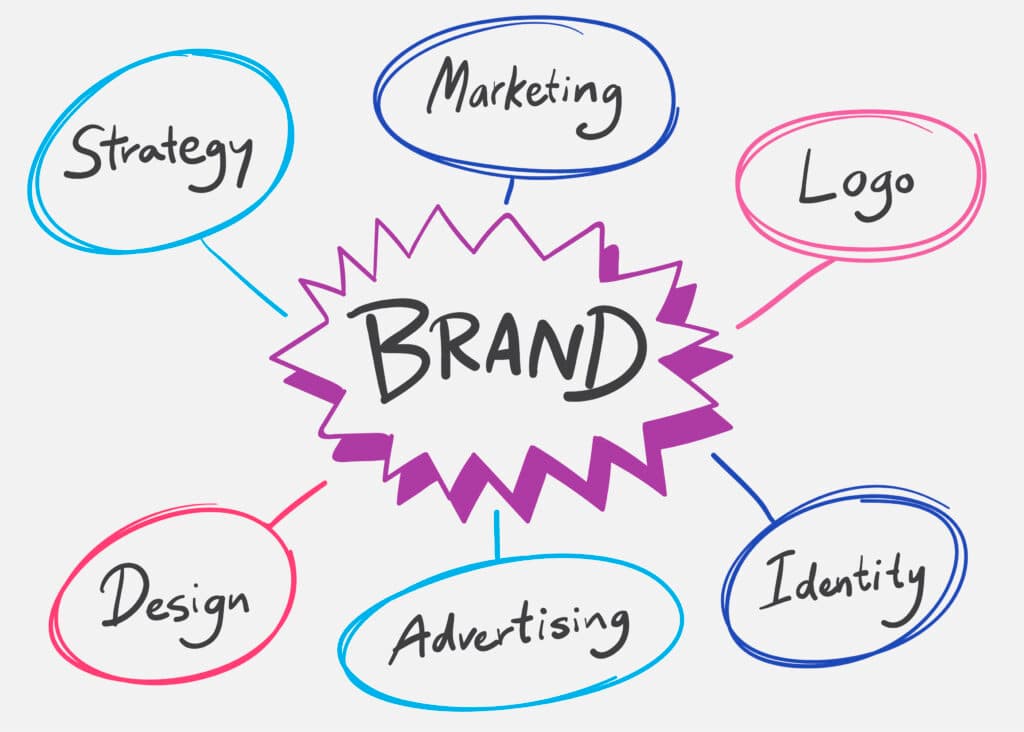
A strong brand consists of many elements that together create a cohesive and recognizable image of the company. The most important ones include:
- Visual identity—logo, color scheme, typography, and graphic layout of company materials. This is the first thing a customer sees and what sticks in their memory.
- Name and slogan – these must be easy to remember while also reflecting the brand’s values. A good slogan can reinforce the message and cement associations.
- Brand values – the foundation upon which all communication is based. This answers the question: “What is important to us, and why do we operate this way?”
- Tone of voice—that is, the style of communication. A brand can be professional and authoritative or more casual and friendly. It’s important to consistently maintain the chosen tone.
- Customer experience – how a customer feels when interacting with the company: from speaking with customer service, through the shopping process, all the way to the complaint resolution process. It is these experiences that build loyalty.
Each of the above elements may seem like a minor detail on its own, but it is only their cohesive combination that creates a true brand.
Building a company’s brand—why is it worth it?
Building a company’s brand is not just a matter of prestige or aesthetics. It is a strategic business tool that directly impacts a company’s sales, growth, and competitiveness.
Key benefits:
- Recognition – customers are more likely to trust a company they associate with a name, logo, and consistent messaging. In a crowded market, being recognizable often determines which company customers choose.
- Customer loyalty – a strong brand evokes emotions and fosters a connection that keeps customers coming back, even if competitors offer a cheaper product.
- Higher perceived value – a strong brand allows you to sell products at a higher price, because customers are buying not only the product but also the experience and the promise of quality.
- Trust – Consistent communication, a cohesive image, and positive reviews make a brand credible, and customers are less likely to hesitate when making a purchase.
- Competitive advantage—in industries where many companies offer similar products, it is the brand that determines who comes out on top in the eyes of customers.
So it can be said that a brand is an investment—one that may not be immediately apparent at first glance, but is crucial in the long run.
The Process of Building a Company’s Brand—From the Ground Up
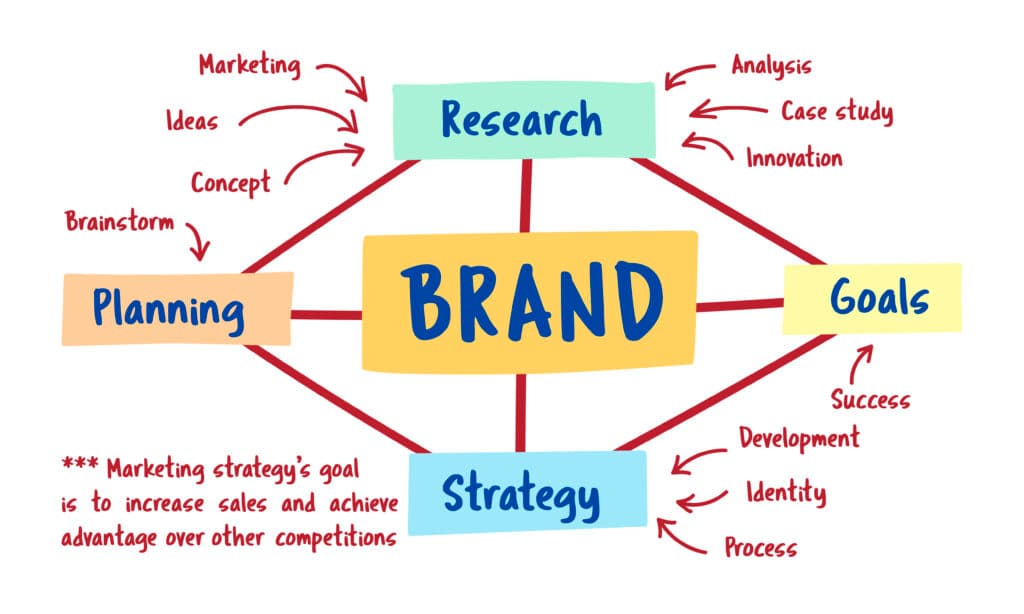
Building a company’s brand doesn’t happen overnight. It’s a process that requires a well-thought-out strategy and consistency.
Here are the key stages:
- Analysis and research—the starting point. You need to understand the market, customer needs, competitors’ activities, and your company’s potential.
- Defining the mission, vision, and values—clearly articulating what the company wants to offer customers and how it wants to stand out.
- Selecting a target audience—you can’t appeal to everyone. A strong brand says directly, “This is for you.”
- Creating a visual identity—logo, colors, typography, and graphic elements—because the whole package must be consistent and easily recognizable.
- Tone of voice and communication—that is, the way the brand speaks. This is the element that builds the brand’s personality.
- Presence strategy—choosing the channels through which the brand will communicate with customers: social media, website, and offline materials.
- Building the customer experience—service, customer contact, and the purchasing process—all of which influence the brand’s final image.
- Monitoring and evaluation—the market is constantly changing, so the brand must also be flexible. Regular analysis allows for adjustments to be made.
With this approach, building a company’s brand becomes a systematic process rather than a haphazard effort.
Visual and Communication Elements of a Brand

How a brand looks and communicates is of immense importance. They say we buy with our eyes, and in the business world, this is true.
Visual identity should be consistent and recognizable. It includes, among other things:
- Logo – the company’s distinguishing mark. It should be simple, memorable, and versatile.
- Color scheme – colors evoke emotions. Red attracts attention, blue inspires trust, and green conveys calm and nature.
- Typography – fonts that reinforce the brand’s character (modern, classic, light, serious).
- Marketing materials—from business cards to banners and social media posts—everything must “speak with one voice.”
Communication elements, on the other hand, include:
- Tone of voice—does the brand speak formally, expertly, or rather casually and playfully?
- Slogans and taglines – short, memorable messages.
- Narrative style—storytelling, or the stories the brand tells to attract customers.
Visual and communicative consistency makes the brand easily recognizable and helps customers form a connection with it more quickly.
Building a company’s brand online

Today, it’s impossible to talk about a brand without an online presence. The internet is the primary place where customers search for information and make purchasing decisions.
Key tools:
- Website – the company’s calling card. It should be easy to read, intuitive, and optimized for mobile devices.
- Social media—it provides an opportunity to engage with customers and build a community around the brand. Facebook, Instagram, LinkedIn, or TikTok. Each channel has its own unique characteristics.
- Content marketing—articles, guides, e-books, and videos that provide value and establish your brand as an expert.
- Online advertising – Google Ads and social media ad campaigns allow you to precisely reach your target audience.
- Email marketing – building relationships through regular contact and offering personalized content.
An online brand must be consistent, active, and authentic. Customers quickly pick up on insincerity, and a lack of online activity is often a sign that a company isn’t keeping up with the market.
The Most Common Mistakes in Building a Company’s Brand
Building a company’s brand is a process where it’s easy to make mistakes. Here are the most common ones:
- Lack of consistency—one style on the website, another on social media, and yet another in customer service. This creates chaos.
- Messages that are too general – trying to appeal to everyone ends up with the brand failing to appeal to anyone.
- Lack of strategy—random marketing activities without a plan or goals.
- Ignoring customers—failing to respond to feedback, comments, and questions. This is a surefire way to lose trust.
- Focusing only on appearance—a beautiful logo isn’t enough if it isn’t backed by value and a positive customer experience.
- Lack of flexibility—the market is changing, and a brand that stands still quickly loses its relevance.
Avoiding these mistakes allows you to build your brand consistently and effectively.
Building a Company Brand – Summary

Building a company’s brand is a long-term process that requires strategy, consistency, and perseverance. A brand is more than just a logo or a slogan. It is the identity, personality, and promise of value that a company offers its customers.
A strong brand:
- attracts attention,
- evokes emotions and trust,
- builds loyalty,
- provides a competitive advantage,
- increases the perceived value of the product.
A well-built brand becomes a company’s most valuable asset—something that competitors cannot easily copy.
That is why it is worth investing time and resources in its development, because a brand is not a cost, but an investment in the company’s future.


